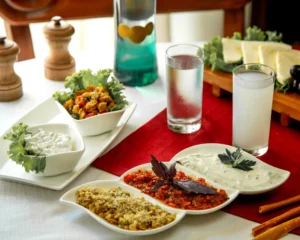
Managing type 2 diabetes in Pakistan often feels harder than it should be, not because good food isn’t available but because most diabetic diet advice online is written for Western pantries. Kale, quinoa, and almond flour are not what you’ll find at your local sabzi mandi. As a nutritionist working with diabetic clients across Karachi, I put together this list using foods that are actually available, affordable, and part of everyday Pakistani cooking.
Why Low-Carb Matters for Blood Sugar Control
Carbohydrates break down into glucose faster than protein or fat, so they have the biggest direct impact on blood sugar after a meal. Refined carbs like white bread, maida-based items, and sugary drinks cause the sharpest spikes, followed by an energy crash a couple of hours later. Choosing high-fiber, low-glycemic foods instead keeps blood sugar steadier and reduces strain on insulin production over time. Low-carb eating patterns are widely recognized by major health bodies as an effective, evidence-backed approach for managing type 2 diabetes.
Best Low-Carb Vegetables (Widely Available in Pakistan)
Non-starchy vegetables are the foundation of a diabetic-friendly plate. Good local options include:
- Palak (spinach)
- Karela (bitter gourd) — traditionally used in South Asia for blood sugar support
- Bhindi (okra)
- Baingan (eggplant)
- Gobi (cauliflower)
- Shimla mirch (bell peppers)
- Kheera (cucumber)
- Tori (ridge gourd)
These vegetables are naturally very low in carbohydrates and high in fiber, which slows down glucose absorption.
Best Low-Carb Protein Sources
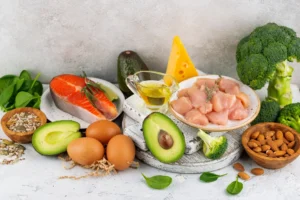
Protein does not raise blood sugar and helps keep you full for longer, which matters for portion control. Reliable options include:
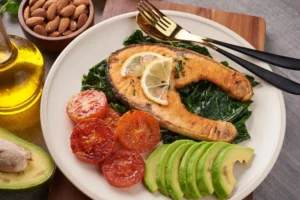
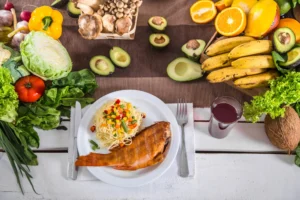
- Chicken and fish (grilled, baked, or curried without extra sugar or cornflour thickeners)
- Eggs
- Mutton in moderate portions
- Paneer
- Full-fat dahi (yogurt) without added sugar
- Daal in controlled portions (higher in carbs than meat, but high in fiber, so it digests more slowly)
Healthy Fats to Include
- Desi ghee and olive oil in moderate amounts
- Almonds, walnuts, and other nuts
- Avocado, where available
- Full-fat dahi and paneer
Combining fat and protein with any carbohydrate-containing food helps blunt the blood sugar spike, so a small amount of daal with grilled chicken and vegetables digests more slowly than daal alone.
Fruits to Choose Carefully
Not all fruit affects blood sugar the same way. Lower-sugar options in moderate portions include:
- Guava
- Papaya (small portion)
- Apple (with skin)
- Berries, where available
Mangoes, bananas, and grapes are higher in natural sugar and should be eaten in small, controlled portions, if at all, depending on your individual blood sugar response.
Foods to Limit or Avoid
- White rice and white roti made from refined maida
- Sugary drinks, including regular chai with added sugar
- Fried snacks like pakoras and samosas
- Potatoes in large portions
- Packaged juices and desserts
You do not need to eliminate roti. Many of my clients do well switching to a smaller portion of whole wheat roti paired with protein and vegetables, rather than cutting carbs to zero, which is a stricter approach better suited to a supervised keto plan.
Sample Low-Carb Day (Pakistani Style)
Breakfast: Two eggs cooked in a small amount of ghee, with sautéed spinach.
Lunch: Grilled chicken tikka with a side salad of cucumber, tomato, and shimla mirch.
Snack: A small bowl of plain dahi with a few almonds.
Dinner: Karela sabzi with a small portion of daal and one small whole wheat roti
This is a general example. Your actual carb tolerance depends on your medication, activity level, and current blood sugar control, which is why a personalized plan works better than a generic template.
A Note on Portion Control
Even low-carb foods can raise blood sugar if eaten in large quantities, and even higher-carb foods like daal or fruit can fit into a diabetic diet in the right portion. This is the most common mistake I see: people cut out rice completely but overeat fruit or nuts, not realizing both affect blood sugar.
Frequently Asked Questions
Can type 2 diabetics eat roti? Yes, in controlled portions, ideally whole wheat rather than refined maida, and paired with protein and vegetables to slow glucose absorption.
Is karela really good for diabetes? Karela is commonly used in South Asian diets to support blood sugar management and is naturally low in carbohydrates, making it a solid addition to a diabetic diet, though it should not replace medication.
What is the best fruit for diabetics in Pakistan? Guava and small portions of apple or papaya are generally better choices than mango, banana, or grapes, which are higher in natural sugar.
How many carbs should a type 2 diabetic eat per day? This varies by individual, medication, and activity level. A personalized plan based on your blood sugar monitoring gives more accurate guidance than a fixed number.
The Bottom Line
You don’t need imported keto products to eat low-carb in Pakistan. Karela, palak, grilled chicken, paneer, and dahi are already blood-sugar-friendly staples in most Pakistani kitchens. The key is combining the right foods in the right portions, consistently, rather than following a rigid list.
If you want a low-carb or keto meal plan built specifically around your blood sugar levels, medications, and daily routine, explore our personalized diabetic diet plans for guidance from a certified nutritionist.
Written by Huma Wasti, Certified Nutrition & Health Expert (Highfield International)