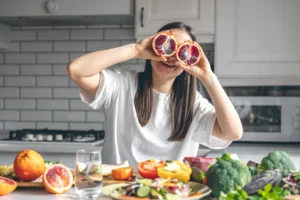
Depression is not something food alone can fix, but research increasingly shows that what you eat plays a real role in brain function, inflammation, and mood regulation. As a certified nutritionist, I want to walk you through the foods with genuine science behind them and how to work them into an everyday Pakistani diet.
The Diet-Depression Connection
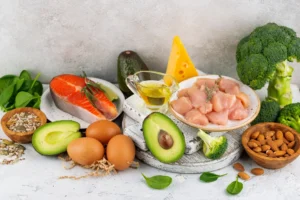
What we eat significantly impacts brain function, emotional stability, and resilience against depression, according to a growing body of nutritional psychiatry research. A large body of evidence points to the Mediterranean diet in particular, built around vegetables, fruit, legumes, fish, and olive oil, as being associated with lower rates of depression. One clinical research protocol built specifically around depression treatment recommends daily olive oil, multiple servings of vegetables and fruit, three or more servings of legumes daily, fish several times a week, nuts, and home-cooked meals with tomato, garlic, and onion, while cutting back on cream, butter, processed baked goods, and sugary drinks.
Foods With the Strongest Evidence
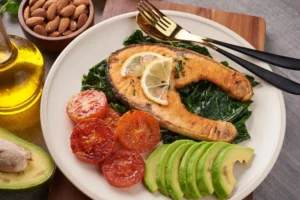
1. Fatty Fish: Fish rich in omega-3 fatty acids, like salmon, mackerel, and sardines, are consistently linked to improved brain function and lower depression symptoms. A meta-analysis covering data from more than 150,000 participants found a direct link between fish consumption and lower rates of depression. In Karachi, affordable local options like rohu and mackerel (bangda) provide similar benefits.
2. Leafy Greens: Spinach, kale, and other leafy greens are rich in folate, a B-vitamin essential for serotonin production. Folate deficiency has been linked to a higher risk of depression, making palak an easy, affordable addition to your weekly meals.
3. Nuts and Seeds: Walnuts stand out in particular for depression relief, largely due to their plant-based omega-3 content, alongside magnesium and antioxidants that support brain health. Almonds, chia seeds, and flaxseeds offer similar benefits.
4. Legumes: Beans, chickpeas (chana), and lentils (daal) are fiber-rich, have a low glycemic index, and help keep blood sugar stable, which supports a steadier mood throughout the day. They’re also a dietary staple already common in most Pakistani households.
5. Whole Grains: Complex carbohydrates like oats, brown rice, and whole wheat provide a steady release of energy and support serotonin production, unlike refined carbs, which cause energy crashes that can worsen low mood.
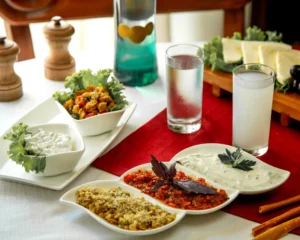
6. Fermented and Probiotic Foods: Yogurt (dahi), kefir, and other fermented foods support gut microbiome health, which is increasingly linked to serotonin production through the gut-brain connection. Full-fat, plain dahi is an easy daily addition.
7. Berries and Antioxidant-Rich Fruits: Blueberries, strawberries, and similar fruits are high in antioxidants that reduce oxidative stress and inflammation in the brain while also helping lower cortisol, a stress hormone linked to depression. Where imported berries aren’t accessible, pomegranate and citrus fruits offer similar antioxidant benefits.
8. Eggs: Eggs provide vitamin B-12 and B-9 (folate), both important for nervous system function and mood stabilization, along with high-quality protein.
9. Turmeric: This everyday Pakistani kitchen spice has notable anti-inflammatory properties, and its active compound, curcumin, has been linked to mood-related benefits in several studies.
Key Nutrients to Prioritize
- Omega-3 fatty acids — fish, walnuts, flaxseeds
- Folate (Vitamin B9) — leafy greens, legumes
- Vitamin B12 — eggs, dairy, lean meats
- Selenium — linked to reduced depression and anxiety in some studies; found in whole grains, seafood, and organ meats
- Vitamin D — linked to improved depressive symptoms in a 2019 meta-analysis; found in oily fish, fortified dairy, and eggs, though most people also need sunlight exposure
- Tryptophan — an amino acid that supports serotonin production; found in lean meats, chicken, and legumes
Foods That May Work Against You
Just as some foods help, others are consistently linked to worse mood outcomes:
- Sugary drinks and packaged juices
- Fried and processed foods (pakoras, fries, packaged snacks)
- Refined white flour products
- Excess caffeine, particularly later in the day
- Ultra-processed baked goods and desserts
A Simple Mood-Supporting Day (Pakistani Style)
Breakfast: Two eggs with sautéed spinach and a small portion of whole wheat paratha. Lunch: Grilled fish or chicken with daal, brown rice, and a side salad. Snack: A small bowl of plain dahi with walnuts and a few berries or pomegranate seeds. Dinner: Vegetable curry with chickpeas, a small whole wheat roti, and a cup of green tea
Frequently Asked Questions
Can food alone cure depression? No. Diet is a supportive tool, not a replacement for therapy or medication. Nutritional psychiatry research shows food can meaningfully support mood, but professional treatment remains essential for clinical depression.
What is the single best food for depression? There isn’t one “best” food. Fatty fish and leafy greens have some of the strongest research support, but a consistent overall dietary pattern, like the Mediterranean diet, matters more than any single food.
Does sugar really make depression worse? Diets high in sugar and processed food are consistently linked to worse mental health outcomes, likely through increased inflammation and blood sugar instability.
Are Pakistani foods like daal and dahi actually helpful for mood? Yes. Daal is fiber-rich and blood-sugar stabilizing, and dahi supports gut health, both of which are linked to better mood regulation through the gut-brain connection.
The Bottom Line
You don’t need an expensive imported “brain food” grocery list to eat in a way that supports your mental health. Palak, daal, dahi, eggs, mackerel, and walnuts, foods already common in Pakistani kitchens, are backed by real research for mood support. Pair this with professional care if you’re dealing with depression, since diet works best as a support system, not a standalone treatment.
If you’d like a personalized nutrition plan that supports both your physical and mental well-being, explore our diet plans designed by a certified nutritionist.
Written by Huma Wasti, Certified Nutrition & Health Expert (Highfield International)
This article is for general educational purposes and does not replace professional medical or mental health advice. If you are struggling with depression, please reach out to a qualified doctor or mental health professional.